Her work explores the relationship between creation and recognition: how an image comes into being before its subject is known, how meaning emerges through perception, and how different forms of authorship can transform what we see.
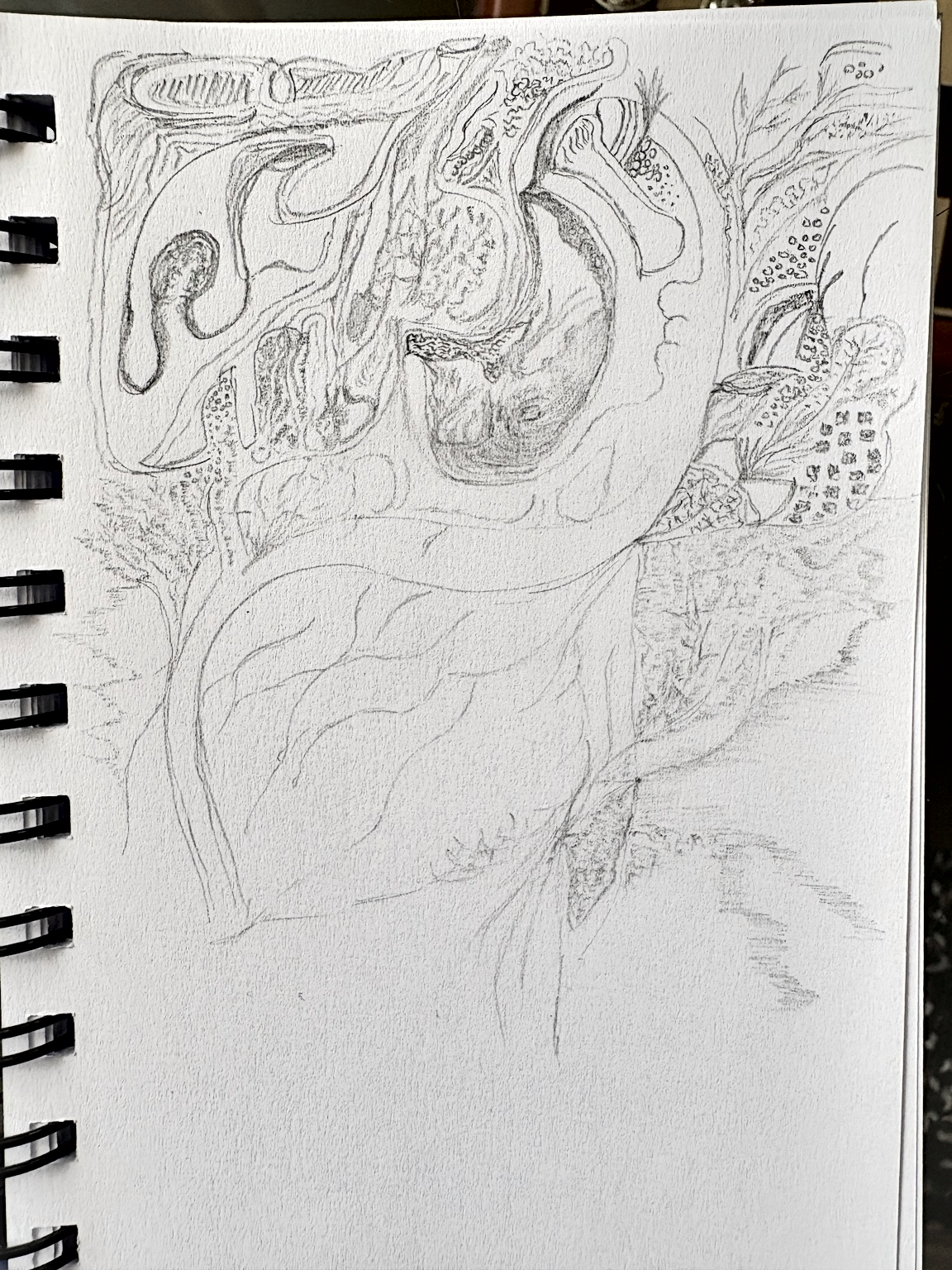
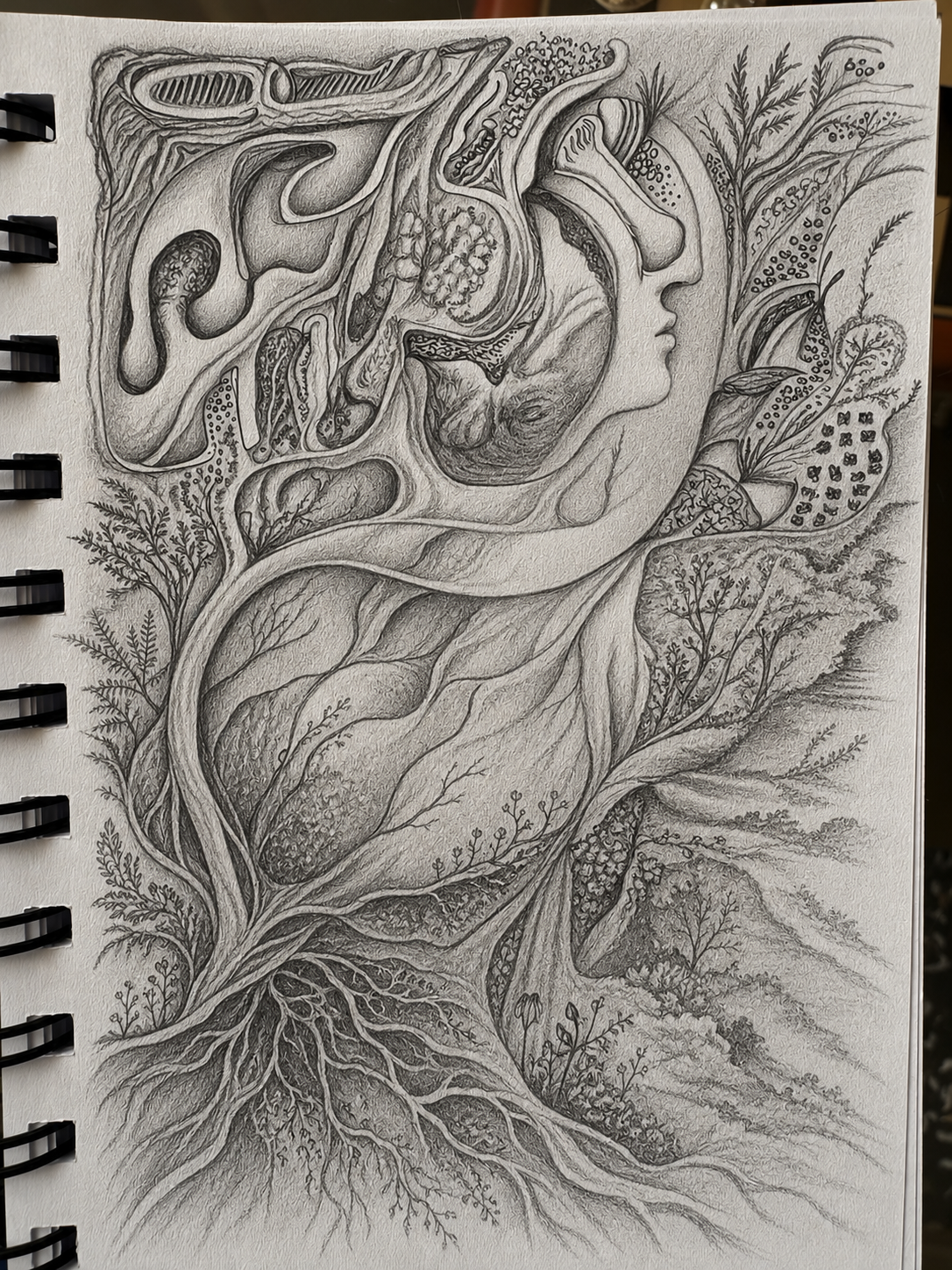
Patricia Sambo's artistic practice is rooted in spontaneous drawing and the exploration of forms that emerge without conscious planning. Influenced by Surrealist automatism, particularly the approaches of André Masson and Max Morise, she approaches the blank paper without a fixed subject, composition or narrative.
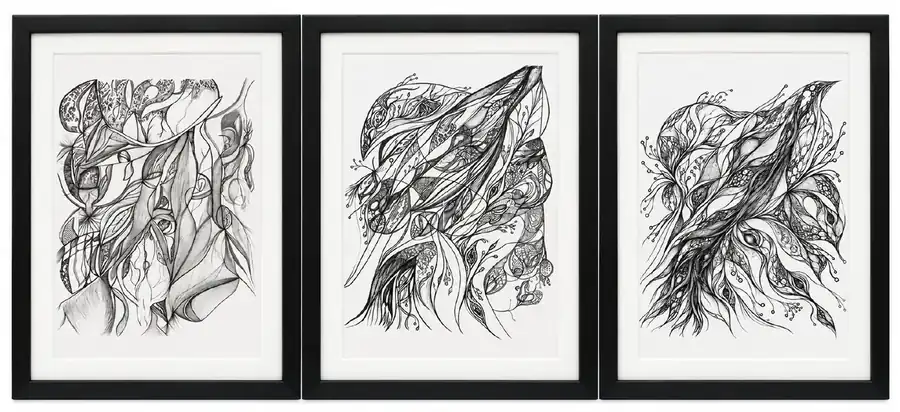
Working primarily with charcoal and graphite, and without using an eraser, she allows each mark to become part of the drawing's unfolding history. Lines develop into structures, structures suggest other forms, and unexpected relationships arise through the accumulation of gestures. The drawing is simultaneously an act of making and a process of discovery.
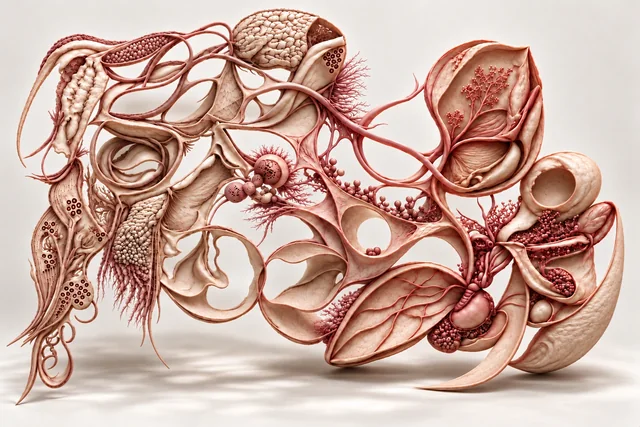
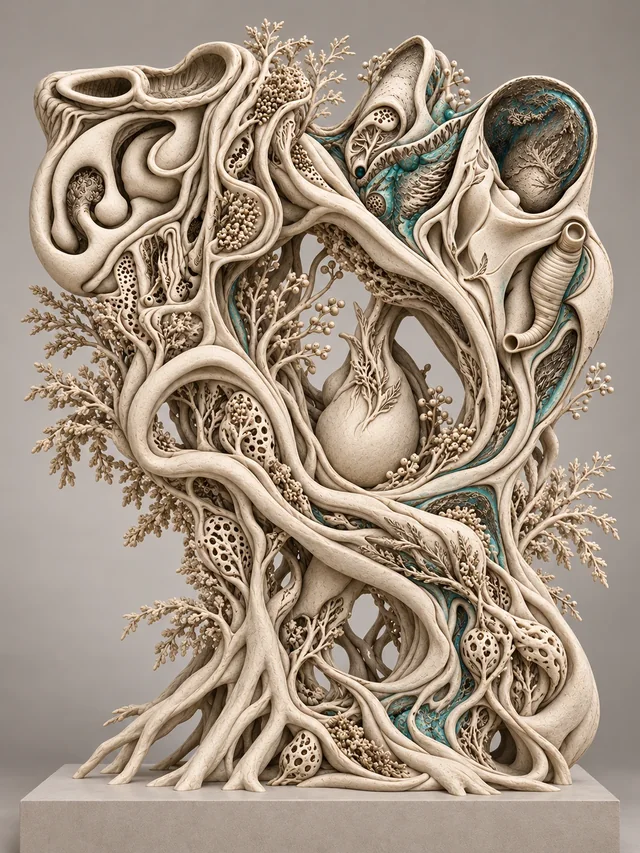
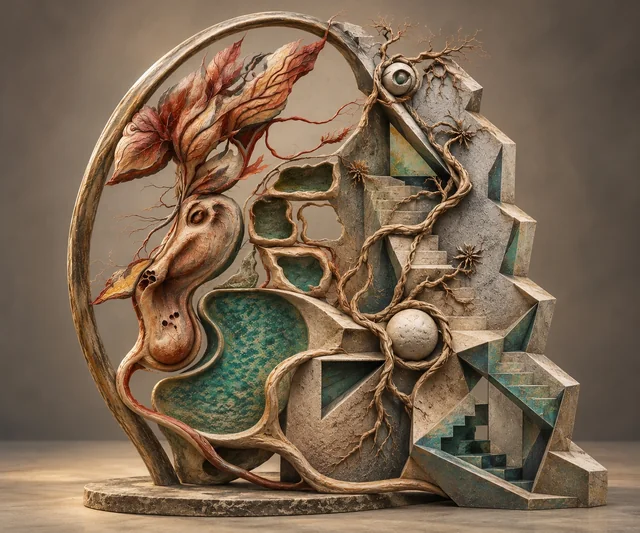
Her imagery frequently inhabits an ambiguous territory between the anatomical, the botanical and the spatial. Membranes become landscapes, roots resemble bodily structures, and forms resist belonging to a single identifiable organism or environment. These associations are not necessarily conceived in advance. They often become apparent only when the drawing has developed, allowing meaning to emerge retrospectively through the act of looking.
This distinction between creation and recognition is central to her practice. Rather than illustrating an established idea, Sambo is interested in how an image can precede its own interpretation, and how both the artist and the viewer participate in the construction of meaning.
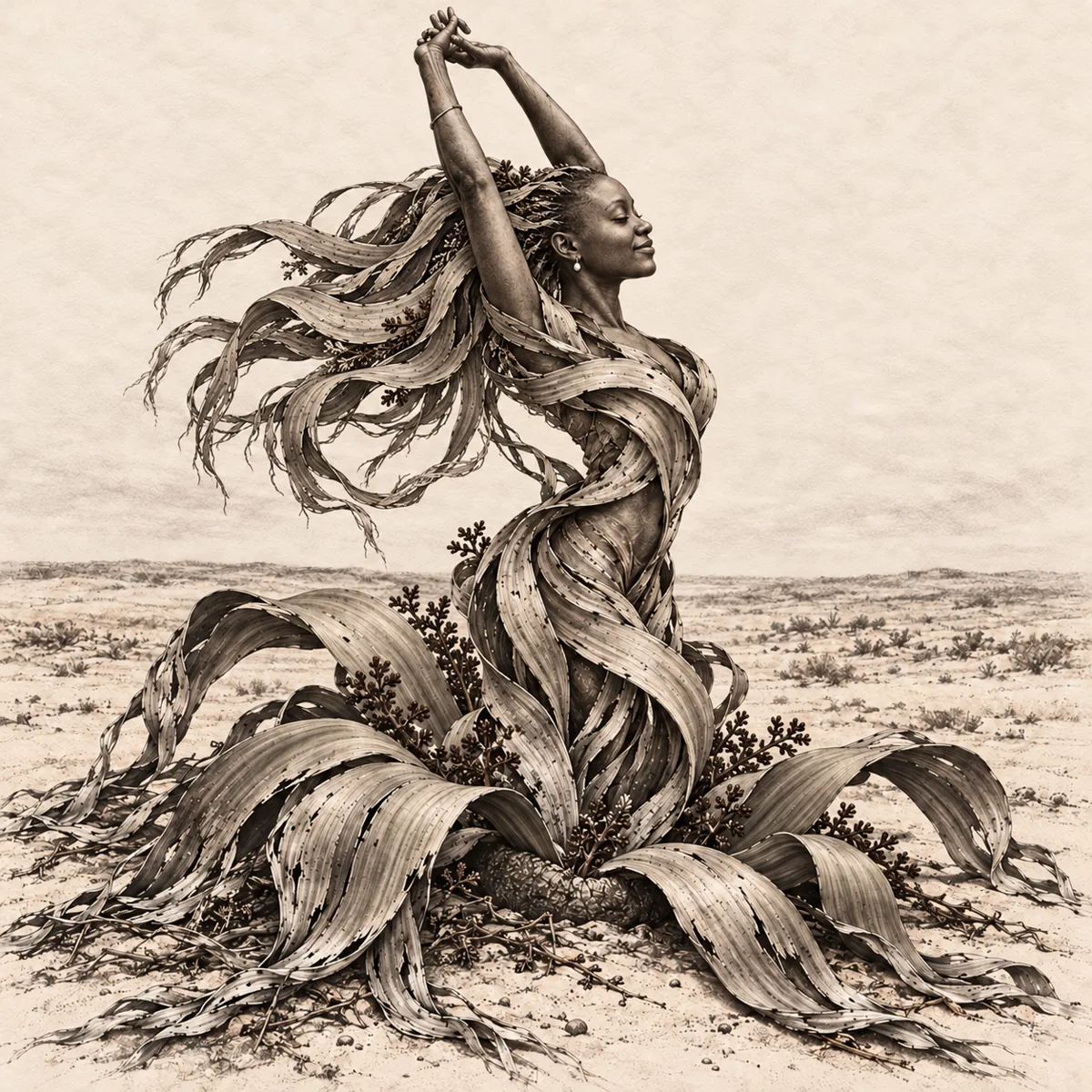
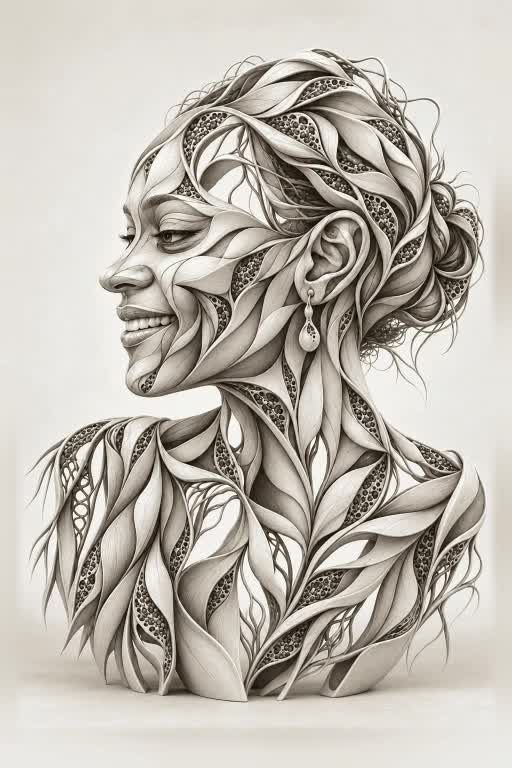
Her exploration of this relationship extends into experimental human–AI collaboration, digital transformation and artistic direction. In some works, the human drawing remains entirely independent; in others, it becomes the starting point for subsequent exchanges or reinterpretations. These processes introduce another perspective into the making of an image, raising questions about control, interpretation and authorship.
Across her practice, Sambo investigates the unstable boundary between intention and emergence, between what is created and what is subsequently perceived. Her work does not seek to resolve these uncertainties, but to preserve them as spaces in which new meanings can arise.